Context.
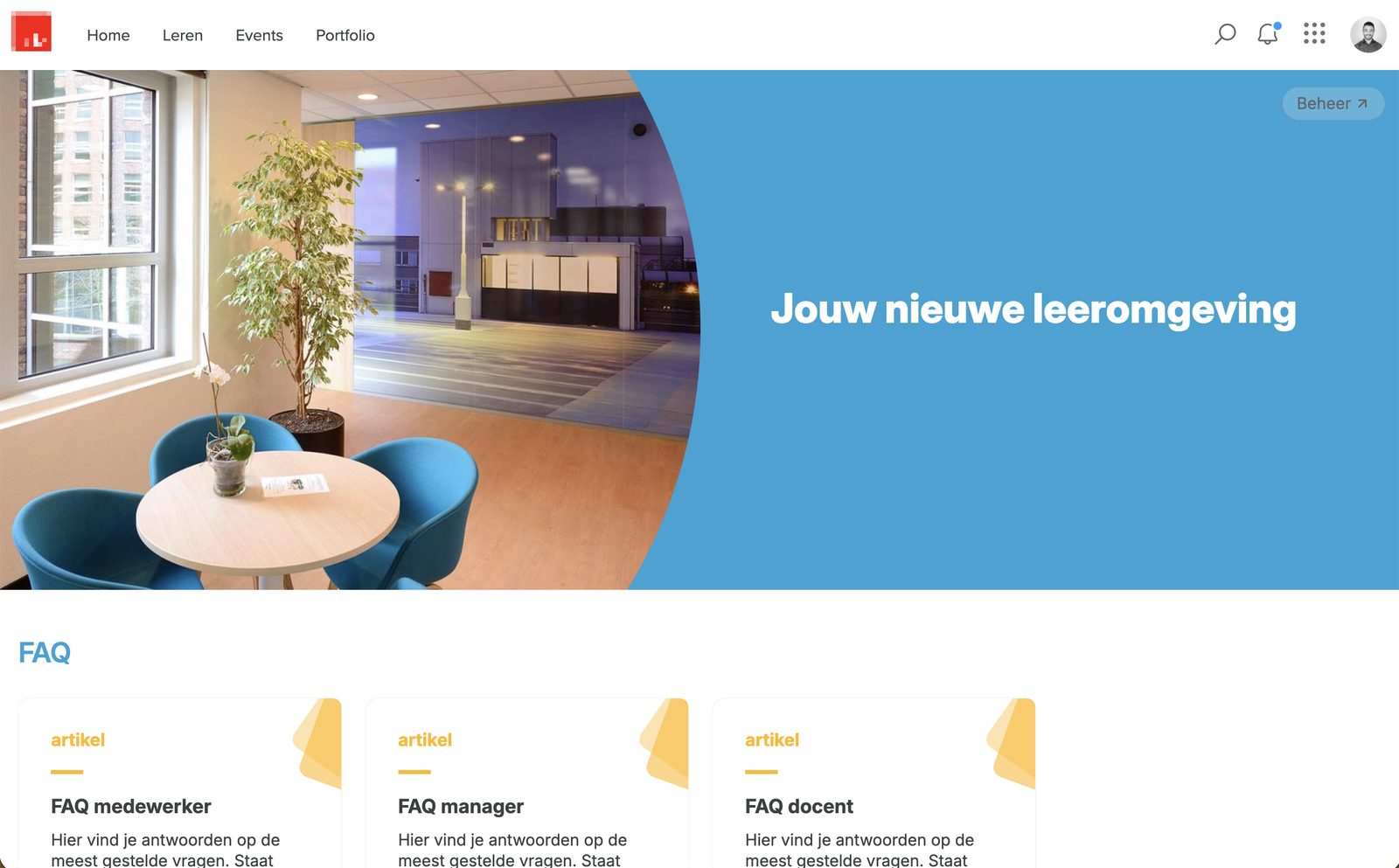
Didacs supported a nationwide healthcare organisation in moving to a new LMS. The project covered requirements and supplier selection through to implementation, configuration, adoption and functional application management.
The assignment combined LMS advice, project and change management, and functional coordination. It was not just a matter of selecting and configuring the system: processes, roles, administration arrangements and handover also had to be made workable.
The brief.
The client wanted a new LMS that better met the organisation’s learning needs, without forcing users and administrators to depart unnecessarily from established ways of working.
The brief went beyond system selection. It also covered better processes, greater control over learning content, clear administration arrangements, support for mandatory training and a setup that could be handed over in the future.
Why this was challenging.
An LMS touches many parts of an organisation: learning, HR, functional application management, IT, procurement, privacy, management information, content development and user experience.
This can quickly produce a long wish list. Without clear decisions, an LMS project becomes too broad, too technical or too driven by individual user requests. Throughout this project, decisions were needed on what was essential for go-live, what could wait and what fell outside the initial setup.
The new LMS also had to fit existing processes, while some of those processes needed to be simplified and made easier to hand over.
Approach.
This section shows how Didacs approaches a challenge: first clarify the question, then substantiate decisions and turn them into a workable approach.
1. Clarified the requirements
The organisation’s needs were translated into concrete requirements. A distinction was made between essentials for the initial setup and wishes that could be addressed through later development.
Requests were not just collected, but also assessed for value, feasibility and impact on administration. This created a useful basis for selection, configuration and decision-making.
2. Substantiated selection and configuration decisions
The requirements were used to compare solutions in detail. The assessment covered functionality, ease of administration, user experience, integrations, reporting and future scalability.
The choice therefore depended less on demonstrations or individual preferences and more on what the organisation needed in practice.
3. Turned implementation into workable processes
Following selection, implementation was translated into a concrete setup: roles, permissions, catalogue structure, learning paths, target groups, reports and administration processes.
The balance between familiarity for users and improving existing ways of working was considered throughout. Not everything had to change, but unnecessarily complex elements were redesigned.
4. Aligned content and learning processes
Existing learning content, external modules and new learning programmes were assessed for their placement, discoverability and logical structure within the LMS.
The way modules are supplied, tested, replaced and administered was also examined. This mattered because content administration quickly becomes vulnerable when arrangements are poorly documented.
5. Established governance and functional application management
Arrangements were developed for changes, releases, support and ownership. A distinction was made between content responsibility, functional application management, technical dependencies and supplier contact.
The aim was to make administration less dependent on individuals and clarify who decides what.
6. Secured ongoing improvement and handover
After go-live, further opportunities to use the LMS were explored. These included certifications, reports, new features, more efficient development processes and better support for teams wishing to offer learning content.
The approach was documented so colleagues and future administrators would not have to reconstruct how processes, decisions and arrangements came about.
Result.
The organisation received a new LMS with a setup better aligned with learning, administration and reporting.
It also gained more structure around requirements, content administration, roles, changes and ongoing improvement. The LMS was therefore more than a new system: it also provided an opportunity to organise learning processes better.
Impact:
- Requirements translated into concrete selection and configuration decisions.
- New LMS setup aligned with users, administrators and organisational processes.
- Greater control over roles, permissions, content structure and reports.
- Clearer administration arrangements for changes, releases and support.
- Less dependence on knowledge held by individual employees.
- A foundation for further improvement of the LMS and learning processes.